splitting petrol costs shouldn't make you feel cheap
sharing an expense is not selling your friend a seat.
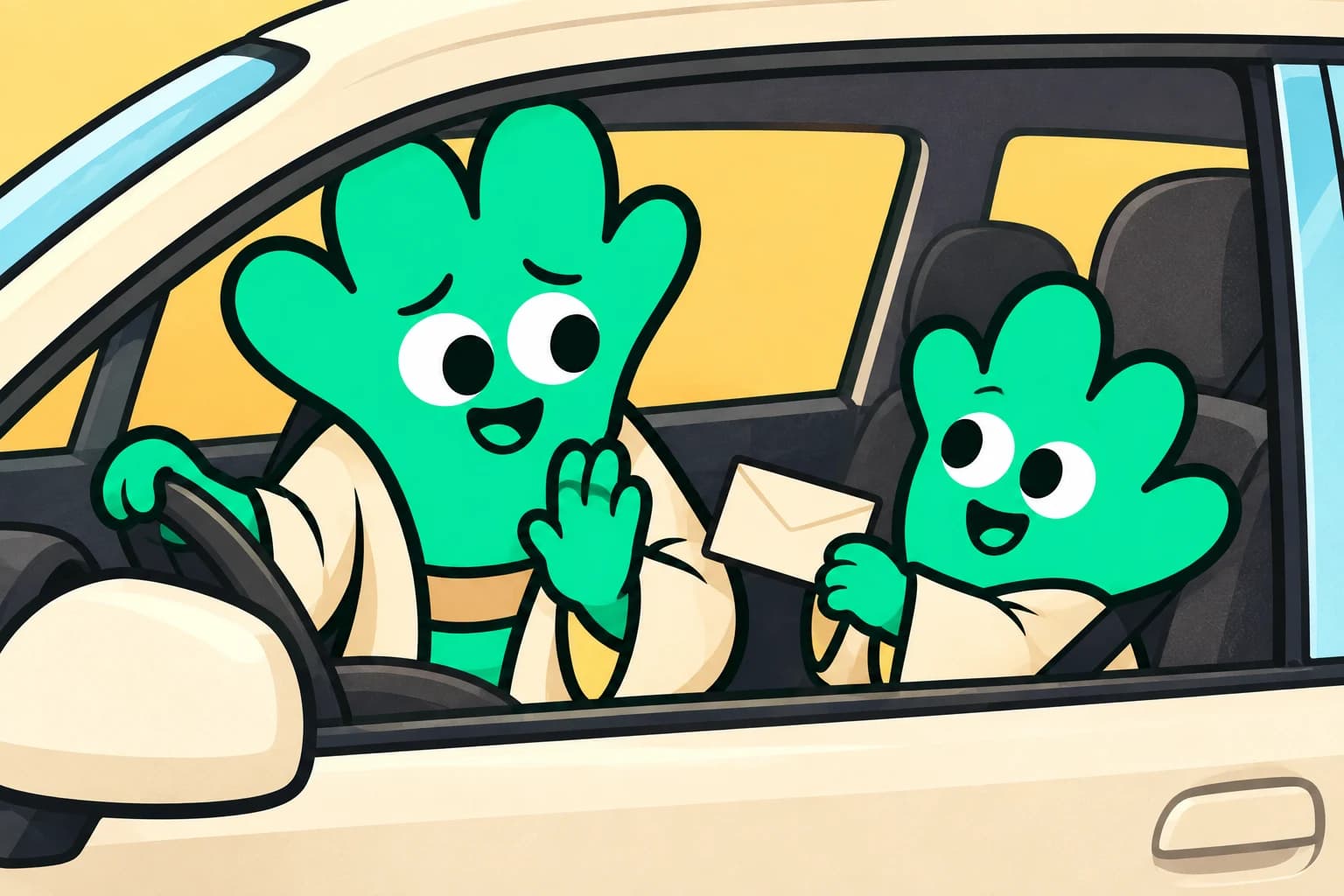
you bring the car. pick up your friends. arrive, say goodbye and wonder whether to mention the petrol.
not because you want to make money from them. because you paid for it. again.
but asking makes you feel cheap. and when someone offers to pay, out comes "no, don't worry". you wanted to say yes. you said no. now it looks settled, except to you.
our advice: agree which cost you share, split it between the people who made the journey and record it. settle later, when you have agreed to. sharing an expense is not selling your friend a seat. it should not require going through the awkwardness of asking on every ride, either.
a weekend away has a receipt. what does an everyday ride have?
on a long journey, it can happen naturally: you stop for petrol, someone pays and the others say "let's split it". everyone can see the expense.
there is no petrol station at the end of every ride to work, university or the gym. someone fills the tank when they are alone. the others do not see that moment. that does not mean they want a free ride. it means the cost and the conversation happen at different times.
waiting for someone else to guess is not a good system. collecting payment at the car door turns time together into a checkout. we do not want either.
a price per ride seems simple. until the ride changes
a fixed contribution can work if the route, the people and the agreement stay the same. but being easy to remember does not automatically make it fair.
what if someone misses a day? only joins the outward journey? what if there are two of you today and five tomorrow? multiplying a fare by the days in a month does not answer those questions. it charges for the plan, not what you actually shared.
for friends who already travel together, we prefer starting with the shared expense, not a price per seat. you are not setting up a transport service. you are making sure sharing a car does not mean the same person always pays.
okay, but how much does each person contribute?
we cannot give you a universal figure without making it up. we can give you a way to decide without starting again every morning:
- decide what you share. just the fuel used on the journey, or a vehicle cost that also includes maintenance and wear. those are different agreements. neither should come as a surprise when you arrive.
- separate that journey from the rest. filling the tank does not make all the petrol an expense for today's group. someone who only shared the outward journey should not automatically cover the return.
- split between the people sharing it. if everyone makes the same journey and agrees to equal shares, include the driver too. sharing costs does not mean passengers cover everything.
under that last agreement, yes: the same shared cost is less per person between five people than between two. provided the route and cost are the same. that is a rule for a manual split, not an explanation of naiss's calculation or a promise of what your ride will cost.
if you share different portions of the route, agree how to handle them beforehand. a rule everyone understands beats a precise figure nobody can explain.
"i drive today, you drive tomorrow" is an agreement too
and it can be enough. you do not need to price everything.
if you take turns on comparable routes and both feel happy with it, we are not here to complicate your lives. if one person ends up driving almost every time or making the detours, that phrase no longer describes what happens. revisit it without turning every favour into an invoice.
a coffee or a favour can be how you make it up to each other. if you both chose that. not if one person offers and the other accepts because asking for something else feels awkward.
the conversation does not have to start with "you owe me"
you can bring it up beforehand, without asking for a transfer as someone gets out of the car. a suggestion from the driver and a response from the passenger:


you do not need a speech. you need to stop confusing "i feel awkward saying yes" with "i don't want you to contribute". and if someone genuinely wants to treat you, respect that: an invitation can be clear too.
where naiss helps, and where it doesn't
naiss does not decide what feels fair to you or have that conversation on your behalf. tabs keeps your ride accounts and shows what you owe and what you are owed. it does not all have to live in the driver's memory.
you send the money yourselves using your preferred method. naiss does not charge commission on those accounts between friends. you can agree when to settle; recording a ride does not require asking for a transfer when you arrive.
there is an important distinction: for a gps-recorded journey, the calculated amount is fixed and includes more than petrol. for a naiss shot, its creator enters the amount and can edit it. the manual agreements in this guide are not settings available for the gps calculation.
you can also agree karma, such as a coffee or a favour. it is not a payment made by the app and does not change your sparkie balance.
being nice should not mean paying for everything. sharing costs should not turn you into your friends' chauffeur.
if you already travel together, download naiss. give the accounts somewhere to live. keep the ride yours.